Independent logistics provider based in the South West of England.



Our Services
Radius Warehouse & Logistic Services has been supporting UK importers and exporters since 1996. As an independent freight forwarder, we provide air freight, sea freight, road freight and customs clearance services backed by a trusted global network of partners.
From one-off shipments through to ongoing supply chain support, our team works closely with customers to deliver practical freight solutions, responsive service and clear communication throughout the shipping process.

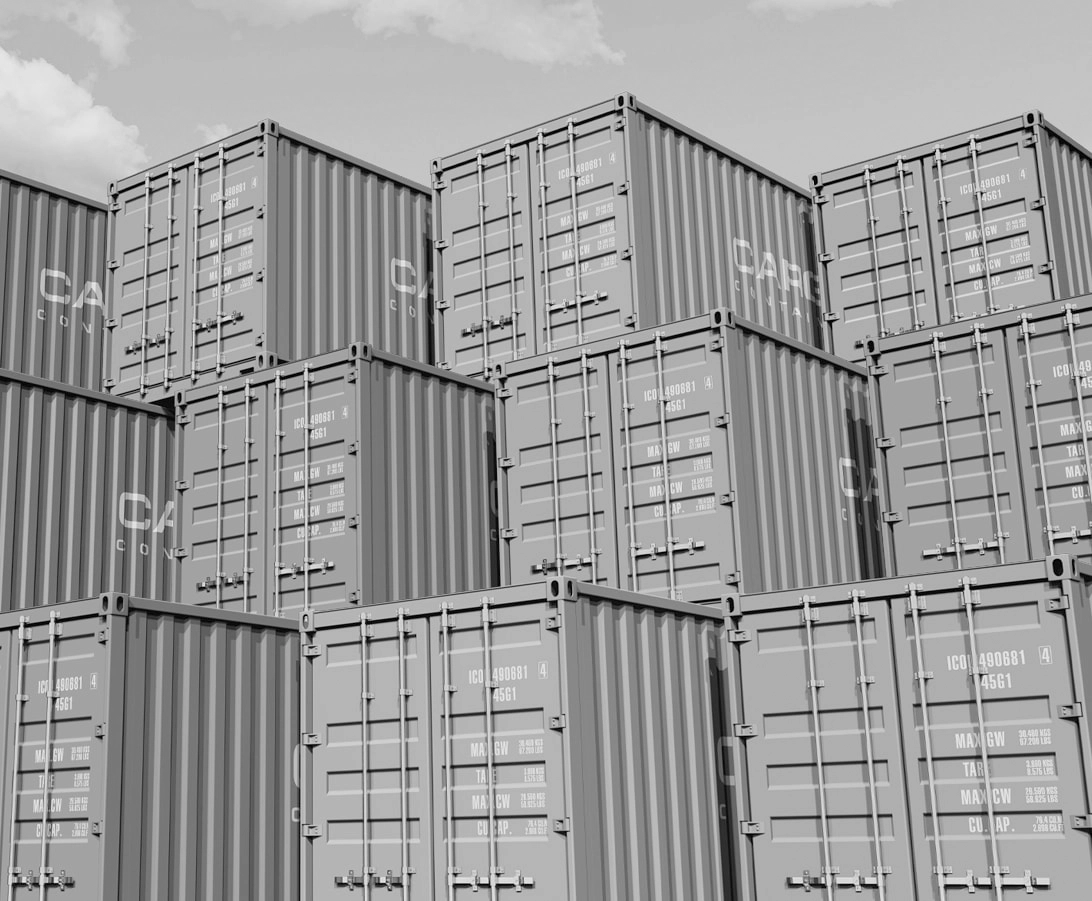
Exceptional Service, Great Value - We Deliver
Independent Freight Forwarder Based in the South West of England
Additional Freight Services
Customs Clearance
Import and export customs declarations handled by our experienced team.
Import & Export Documentation
Support with commercial invoices, certificates of origin, letters of credit and shipping documentation.
Cross Trade Shipments
International cargo movements between overseas countries using our trusted global partner network.
Express & Time-Critical Freight
Fast and reliable UK and international delivery solutions for urgent shipments.
Customs & Compliance Support
Practical guidance on EORI numbers, import procedures and customs requirements.
Air Freight
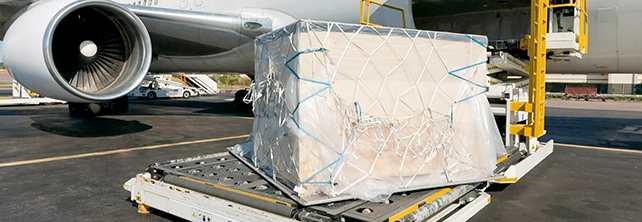
Radius Warehousing & Logistics Services provides fast, reliable air freight solutions for urgent and time-sensitive shipments worldwide.
Whether importing into the UK or exporting to international markets, our experienced team works closely with customers to deliver tailored air freight services that balance speed, reliability and cost-effectiveness.
Supported by a carefully selected global network of trusted partners, we provide airport-to-airport, door-to-door and customs-cleared solutions across key trade lanes.
Road Freight
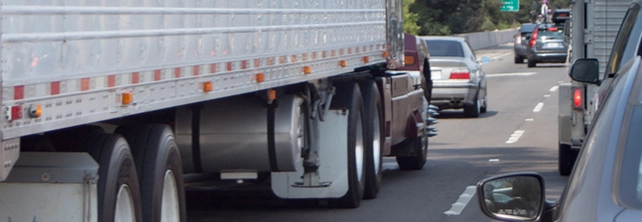
Through our established network of transport partners, Radius Warehousing & Logistics Services provides reliable road freight services throughout the UK, Scandinavia and mainland Europe.
We offer flexible solutions including full loads, part loads, groupage and dedicated vehicle services, enabling us to support everything from single consignments through to ongoing supply chain requirements.
All shipments are carefully monitored from collection through to delivery, ensuring complete visibility and dependable service every step of the way.
Customs Clearance
We provide reliable UK customs clearance and declaration services for import and export shipments, helping goods move smoothly across borders.
Taking goods under bonded warehouse, transit and customs processes, our team works closely with customers to support compliance and reduce unnecessary delays.
Sea Freight
For shipments where transit time is less critical, sea freight provides a cost-effective and efficient solution for moving goods internationally.
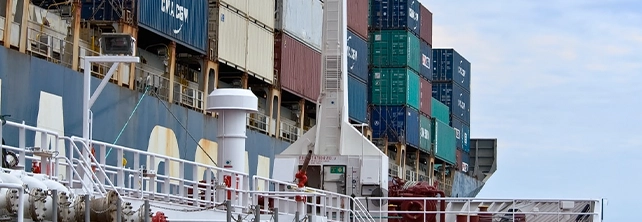
Radius Warehousing & Logistics Services provides comprehensive sea freight services for both imports and exports, supporting businesses trading with key global markets including the USA, Far East, Europe and beyond.
Working with carefully selected carriers and overseas partners, we deliver reliable ocean freight solutions supported by expert customs clearance, documentation and shipment management services.
Radius Warehousing & Logistics Services provides fast, reliable air freight solutions for urgent and time-sensitive shipments worldwide.
Whether importing into the UK or exporting to international markets, our experienced team works closely with customers to deliver tailored air freight services that balance speed, reliability and cost-effectiveness.
Supported by a carefully selected global network of trusted partners, we provide airport-to-airport, door-to-door and customs-cleared solutions across key trade lanes.
Through our established network of transport partners, Radius Warehousing & Logistics Services provides reliable road freight services throughout the UK, Scandinavia and mainland Europe.
We offer flexible solutions including full loads, part loads, groupage and dedicated vehicle services, enabling us to support everything from single consignments through to ongoing supply chain requirements.
We provide reliable UK customs clearance and declaration services for import and export shipments, helping goods move smoothly across borders.
Our team supports compliance, customs processes and documentation to keep supply chains moving efficiently.
For shipments where transit time is less critical, sea freight provides a cost-effective and efficient solution for moving goods internationally.
We support imports and exports with customs clearance, documentation and shipment management services.
F.A.Q
Air freight, also known as air cargo or air transport, refers to the transportation of goods by aircraft. It is one of the fastest modes of shipping, ideal for time-sensitive or high-value shipments, and is commonly used in global trade and logistics. Air freight can range from small packages and parcels to large, heavy cargo transported in dedicated cargo planes.
Key Features of Air Freight:
- Speed and Efficiency: Air freight is the fastest mode of transportation for goods, making it ideal for urgent shipments or time-sensitive goods. It is often used for perishable items, high-tech electronics, and other goods requiring quick delivery.
- Global Reach: Air freight has a global reach, with a network of international airports and air routes. This allows goods to be transported quickly and efficiently between countries and continents.
- High Security: Air freight often involves higher security measures to ensure the safety and integrity of goods. Cargo is typically subject to rigorous inspection and tracking to prevent theft, damage, or loss.
- Flexibility and Versatility: Air freight can accommodate various types of cargo, from small packages to large machinery or even vehicles. It offers flexibility in routing and can adapt to changing schedules or weather conditions.
Types of Air Freight Services:
- Express and Courier Services: These services are designed for smaller packages and documents that need quick delivery. They often offer door-to-door service and are commonly used by businesses and individuals for urgent shipments.
- Freight Forwarders and Consolidators: Freight forwarders act as intermediaries between shippers and carriers, arranging transportation, customs clearance, and other logistics. Consolidators group smaller shipments into larger ones to optimize space and reduce costs.
- Cargo Airlines: Some airlines specialize in cargo transport, operating dedicated cargo planes. These airlines often handle large shipments, heavy machinery, or goods requiring special handling.
- Combination Carriers: Many passenger airlines also carry cargo in the belly of passenger aircraft. This allows for a combination of passenger and cargo transport on the same flight.
Advantages of Air Freight:
- Speed and Reduced Transit Times: Air freight significantly reduces transit times compared to other modes of transport, allowing for rapid delivery of goods.
- Reduced Risk of Damage: The shorter transit times and careful handling reduce the risk of damage or deterioration, making it suitable for fragile or perishable goods.
- Less Inventory and Storage Costs: With faster shipping, businesses can reduce inventory levels and storage costs, as goods spend less time in transit.
Challenges and Considerations:
- Cost: Air freight is typically more expensive than other modes of transportation, like sea or road. It's often used for high-value goods or when speed is critical.
- Capacity Limitations: Aircraft have limited cargo capacity, so air freight may not be suitable for very large or bulky shipments.
- Environmental Impact: Air freight has a higher carbon footprint compared to other modes of transport, impacting sustainability efforts.
- Regulations and Compliance: Air freight is subject to strict regulations, including security checks, customs clearance, and hazardous goods handling. Compliance with these regulations is essential.
Road freight, also known as road transport or trucking, involves the transportation of goods by vehicles such as trucks, lorries, or vans on roads and highways. It is a crucial part of the logistics and supply chain, providing flexibility, direct delivery, and accessibility to a wide range of locations. Road freight is used for both short-haul and long-haul transportation, and it is often combined with other modes of transport in intermodal logistics.
Import and export licenses are required for certain types of goods or in specific situations where government authorities regulate trade for safety, security, environmental, or economic reasons. The need for licenses depends on several factors, including the type of goods, their country of origin or destination, and applicable laws and regulations.
When Import Licenses Are Required:
- Controlled Goods: Certain goods are subject to import controls, often for reasons related to public health, safety, national security, or environmental protection. These may include firearms, hazardous materials, chemicals, endangered species, or pharmaceuticals.
- Quotas and Tariffs: Some goods are subject to quotas, limiting the quantity that can be imported, or require special tariffs. Import licenses may be required to manage these quotas.
- Country-Specific Regulations: Certain countries have specific rules for importing goods, requiring licenses to ensure compliance with their regulations. This can include agricultural products or goods from countries with trade restrictions.
- Intellectual Property: Import licenses may be required for goods involving intellectual property rights, like copyrighted materials or branded products, to ensure they're legitimate.
When Export Licenses Are Required:
- Controlled Goods: Similar to import controls, certain goods require export licenses due to national security, foreign policy, or international agreements. This often includes military equipment, dual-use goods (items with both civilian and military applications), and sensitive technologies.
- Sanctions and Embargoes: If a country is under trade sanctions or embargoes, export licenses may be required to ensure compliance with international agreements or national security policies.
- End-Use and End-User Checks: Export licenses may be needed when there are concerns about the final use of goods or the identity of the end-user. This is particularly relevant for technology that could be used for harmful purposes.
- Destination-Specific Requirements: Some countries have specific requirements for exporting goods, often related to trade agreements, diplomatic relations, or customs regulations.
How to Determine If You Need a License:
- Research the Goods: Identify the type of goods you're importing or exporting and check if they fall under any controlled categories.
- Check Government Regulations: Look up the relevant customs or trade authorities in your country to understand the rules governing import/export licenses.
- Identify Destination or Origin Requirements: Determine if the country of origin or destination has specific requirements or restrictions.
- Consult with Experts: If you're unsure, consult with customs brokers, freight forwarders, or legal experts in international trade.
Obtaining the necessary licenses is crucial to ensure compliance with regulations and avoid penalties or legal issues.
Brexit, the United Kingdom's withdrawal from the European Union, has had a significant impact on transport and logistics across Europe. The changes resulting from Brexit affect trade, customs procedures, regulations, and the movement of goods and people.
Customs and Border Checks: One of the most significant changes is the reintroduction of customs checks between the UK and the EU. Goods moving between the UK and EU countries are now subject to customs declarations, inspections, and tariffs, leading to increased paperwork and potential delays at border crossings.
A customs agent is a professional who specializes in managing the customs process for goods entering or leaving a country. Customs agents play a vital role in international trade by ensuring that shipments comply with customs regulations and helping to facilitate smooth and efficient cross-border transactions.
Key Responsibilities:
- Customs Documentation: Customs agents prepare and submit the required documentation for importing and exporting goods. This includes customs declarations, bills of lading, certificates of origin, and other paperwork necessary for customs clearance.
- Compliance with Regulations: They ensure that shipments comply with applicable customs laws, tariffs, and trade agreements. Customs agents stay updated on changes to customs regulations and ensure that their clients' shipments meet these requirements.
- Customs Clearance: Customs agents work with customs authorities to clear goods for entry or exit. They may coordinate inspections, pay customs duties, and resolve any issues or delays that arise during the customs clearance process.
- Tariff Classification: Customs agents help classify goods according to the Harmonized System (HS) or other tariff schedules. This classification determines the applicable duties, taxes, and restrictions on the goods being shipped.
- Consultation and Advice: They provide expert advice to businesses on customs-related matters, such as import/export regulations, duty rates, trade agreements, and customs procedures. This guidance helps businesses avoid costly mistakes and comply with the law.
- Problem Resolution: Customs agents assist in resolving issues that may arise during the customs clearance process, such as incorrect documentation, discrepancies in shipment details, or unexpected customs inspections.
- Coordination with Other Parties: They coordinate with freight forwarders, carriers, warehouse operators, and other parties involved in the logistics chain to ensure that shipments are processed smoothly and efficiently.
- Risk Management: Customs agents help manage risks associated with cross-border trade, such as compliance risks, delays, and penalties. They often recommend best practices to minimize these risks.
Overall, customs agents serve as intermediaries between businesses and customs authorities, helping to navigate the complexities of customs regulations and ensure compliance with international trade laws.
An XI EORI number (Economic Operators Registration and Identification) is specifically for businesses and traders in Northern Ireland who engage in international trade. Whether you need one depends on the nature and location of your business activities.
Location:
- Northern Ireland: If your business is based in Northern Ireland and you trade goods with non-EU countries, including Great Britain (England, Scotland, and Wales), you will need an XI EORI number.
- Rest of the UK (England, Scotland, and Wales): If your business is based in Great Britain and you do not trade directly with Northern Ireland or the EU, you do not need an XI EORI number. However, you will need a GB EORI number for international trade.
Type of Trade:
- Goods Movement: If your business moves goods between Northern Ireland and non-EU countries, including Great Britain, you will need an XI EORI number.
- Services: If your business only supplies services and does not engage in the movement of physical goods, you typically do not need an XI EORI number.
Our
Benefits


Need
Freight Advice?
Speak directly with one of our freight specialist
3 Portside Park,Kings Weston Lane,
Avonmouth,
BS11 8AR